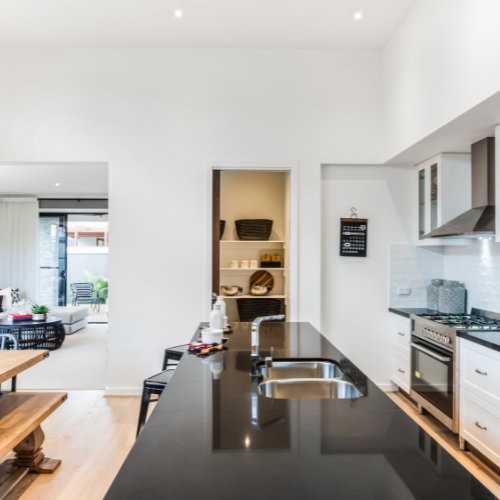
Sustainable building practices are becoming more than just a trend—they are essential to the future of the construction industry. Green construction not only reduces the environmental impact of building projects but also offers long-term cost savings for owners and a healthier living environment for occupants.
One of the key drivers behind green construction is energy efficiency. Builders are increasingly turning to energy-efficient materials and technologies, such as high-performance insulation, energy-efficient HVAC systems, and solar panels. These improvements reduce the need for heating and cooling, ultimately lowering energy costs and reducing carbon footprints.
In addition to energy efficiency, sustainable building practices also emphasize the use of renewable and eco-friendly materials. From bamboo flooring to recycled steel, construction materials are being sourced from sustainable options that minimize environmental harm. Moreover, many new buildings are being designed with water-saving technologies, such as low-flow plumbing fixtures and rainwater harvesting systems, helping to conserve precious water resources.
Green building certifications like LEED (Leadership in Energy and Environmental Design) and BREEAM (Building Research Establishment Environmental Assessment Method) are helping set global standards for sustainability. These certifications guide builders and developers in creating buildings that are energy-efficient, reduce waste, and improve indoor air quality.
Sustainable building practices are not only good for the environment but also offer financial benefits. Energy-efficient buildings tend to have lower operational costs, and the demand for green buildings is growing. As more individuals and businesses seek environmentally friendly spaces, green construction is becoming a smart investment for the future.